Odds & Risk · Money & Odds · English · 97 pages
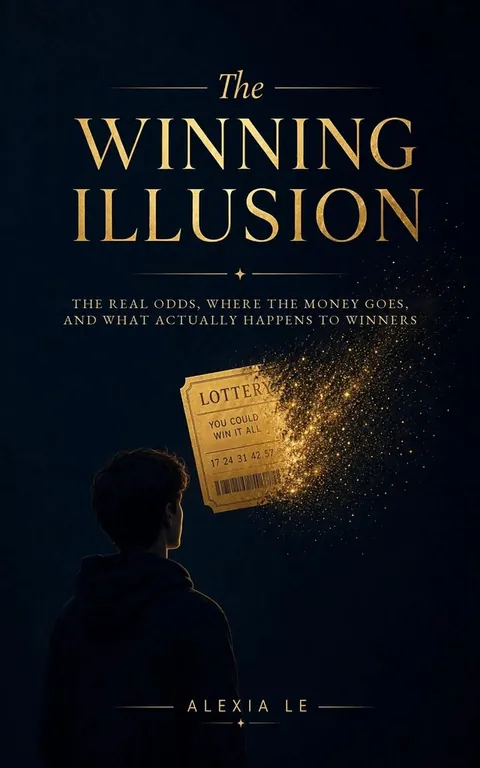
The Winning Illusion
The Real Odds, Where the Money Goes, and What Actually Happens to Winners
by Alexia Le
One in 292,201,338. The lottery never asks you to hold that number in your head. This book puts the real numbers back in view, plainly and without a lecture.
- ✓ Secure checkout by Stripe · card, Apple Pay and more
- ✓ Instant download: PDF + EPUB, any device
- ✓ File problem? Full refund within 7 days (policy)
About the book
For anyone who buys a ticket now and then, plays every week, or quietly worries about someone who plays too much.
Every figure is tied to a source you can check, from Census Bureau data to peer-reviewed studies and public court records.
What's inside
- Why a "$1 billion" jackpot is worth little more than a quarter of that after the cash option and taxes
- Where lottery money actually goes
- What research says about winners, and why the "70 percent go broke" claim doesn't hold up
- The exact steps to take, in order, if you ever hold a winning ticket
- What twenty dollars a week becomes when it compounds instead
Contents
- Before You Start
- Introduction: The Gap Between the Feeling and the Number
- Chapter One: A Tax Nobody Votes For
- Chapter Two: The Number Nobody Can Picture
- Chapter Three: Where the Two Dollars Goes
- Chapter Four: How the Feeling Gets Built
- Chapter Five: The Lottery Among Other Bets
- Chapter Six: What a Jackpot Really Pays
- Chapter Seven: The Only People Who Ever Beat It
- Chapter Eight: What Actually Happens to Winners
- Chapter Nine: If You Ever Hold the Ticket
- Chapter Ten: What Changes at the State Line
- Chapter Eleven: The Real Cost and the Boring Alternative
- Chapter Twelve: Your Own Numbers
- Chapter Thirteen: The People Around You
- Chapter Fourteen: Where the Argument Ends
- Appendix A: A Worksheet for Thinking Clearly About the Lottery
- Appendix B: How to Tell Good Behavioral Science From Bad
Read a little first
Buy a ticket, and for a few seconds before the drawing something pleasant happens in your head. You get to be someone else for a while: the version of you with the house paid off, the family’s problems sorted, the job you dread already behind you. That feeling is real, and it costs a couple of dollars. As entertainment goes, that’s not a bad price.
The trouble starts when people believe they’re buying something more than the feeling. Most players think they’re also buying a real chance, a small one, at a different life. The actual chance is so much smaller than it feels that the two hardly belong in the same sentence.
A look at the pages
From the free sample.